Robotics is one of the most rapidly advancing fields of modern technology, combining engineering, computer science, and artificial intelligence to design machines that can perform tasks automatically or with minimal human intervention. Robots are no longer limited to science fiction; they are now an essential part of industries, healthcare, homes, and even space exploration.
What is Robotics?
Robotics is the branch of technology that deals with the design, construction, operation, and application of robots. A robot is a programmable machine capable of carrying out a series of actions autonomously or semi-autonomously. Robotics integrates multiple disciplines, including mechanical engineering, electronics, software development, and control systems.
Components of a Robot
A typical robot consists of several key components:
- Mechanical Structure: The physical body, including arms, joints, wheels, or legs.
- Sensors: Devices that allow robots to perceive their environment, such as cameras, infrared sensors, and touch sensors.
- Actuators: Motors and drives that enable movement and physical action.
- Controller: The “brain” of the robot that processes information and makes decisions.
- Software: Programs that define how the robot behaves and responds to inputs.
Types of Robots
Robots are designed for different purposes and environments:
- Industrial Robots: Used in manufacturing for welding, assembly, and packaging.
- Service Robots: Assist humans in tasks like cleaning, delivery, and customer support.
- Medical Robots: Used in surgeries, rehabilitation, and patient care.
- Autonomous Robots: Operate independently using sensors and AI, such as self-driving vehicles.
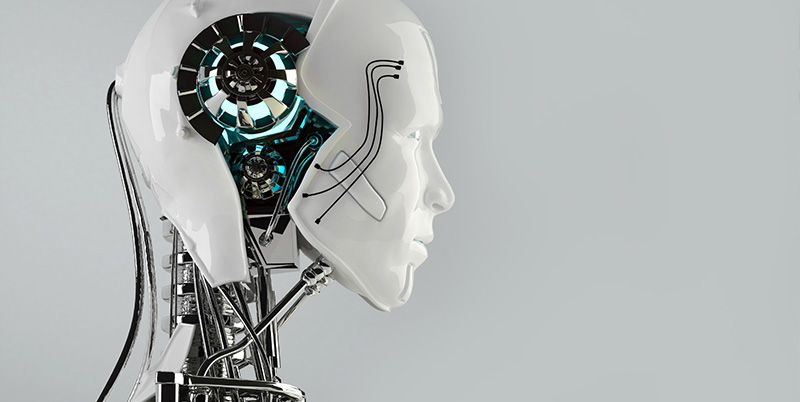
- Humanoid Robots: Designed to resemble human form and behavior.
Applications of Robotics
Robotics has a wide range of real-world applications:
- Manufacturing: Improves productivity, precision, and safety.
- Healthcare: Enables minimally invasive surgeries and assists doctors.
- Agriculture: Automates planting, harvesting, and crop monitoring.
- Defense and Security: Used for surveillance, bomb disposal, and reconnaissance.
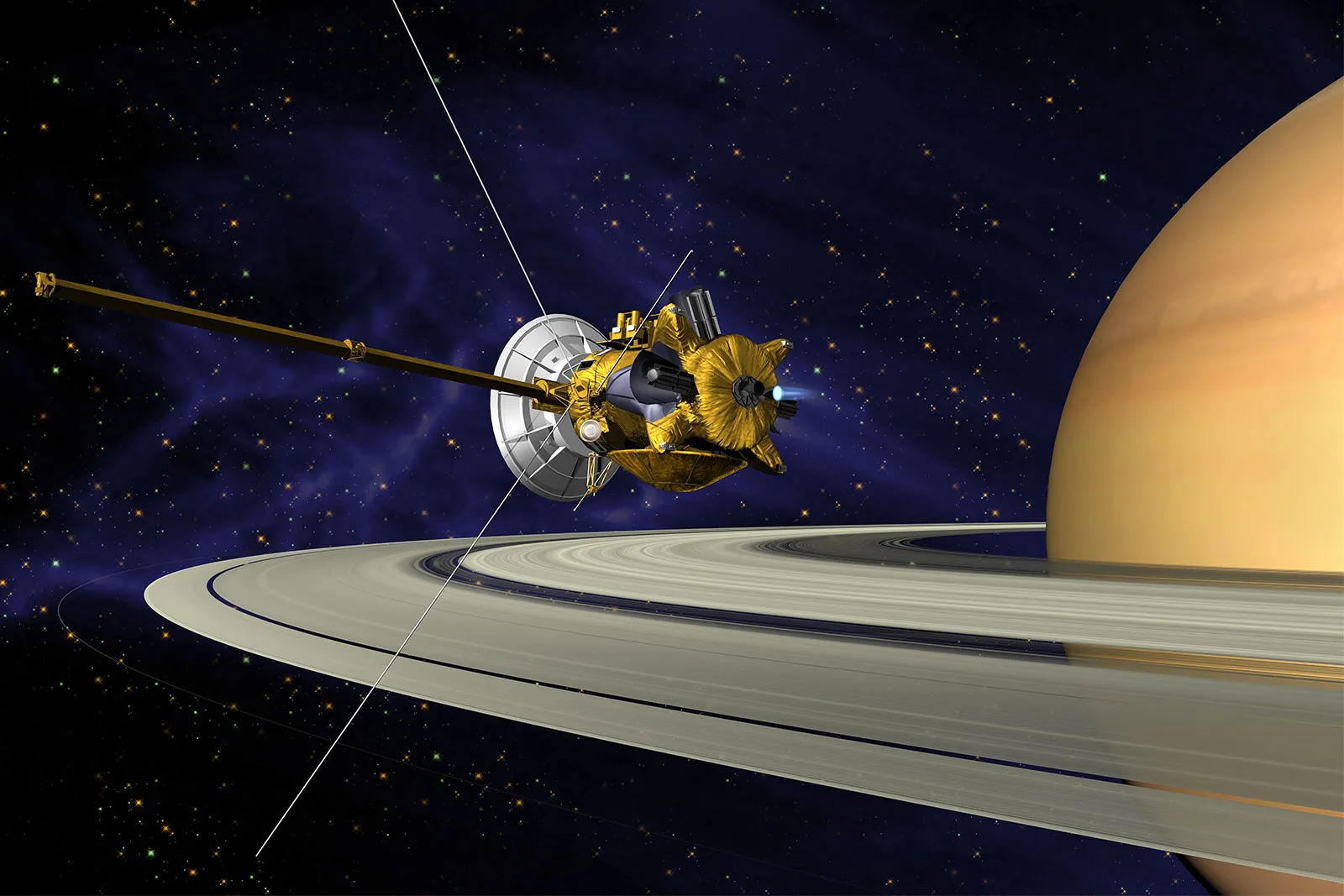
- Space Exploration: Robots explore planets and perform tasks in harsh environments.
Advantages of Robotics
- Increased efficiency and accuracy
- Ability to work in dangerous or hazardous conditions
- Reduced human workload and fatigue
- Consistent performance and quality
- Support for innovation and economic growth
Challenges and Limitations
Despite its advantages, robotics faces several challenges:
- High development and maintenance costs
- Limited adaptability in complex environments
- Ethical concerns related to job displacement
- Dependence on accurate data and power sources
Future of Robotics
The future of robotics is closely linked with advancements in artificial intelligence, machine learning, and sensor technologies. Future robots will be more intelligent, collaborative, and capable of learning from their surroundings. Human-robot collaboration, soft robotics, and autonomous systems are expected to redefine industries and daily life.
Conclusion
Robotics is transforming the way humans live and work by automating tasks, enhancing productivity, and expanding the boundaries of what machines can achieve. As technology continues to evolve, robotics will play an increasingly important role in shaping a smarter, safer, and more efficient future.